
Balance is often associated with athletes, dancers, or yoga practitioners, but its significance extends far beyond physical performance. Body balance influences every facet of daily life, from energy levels to emotional steadiness. When the body finds equilibrium, subtle yet profound transformations unfold. Here are ten often-overlooked ways balance shapes well-being and vitality, revealing amazing balance benefits that may surprise you.
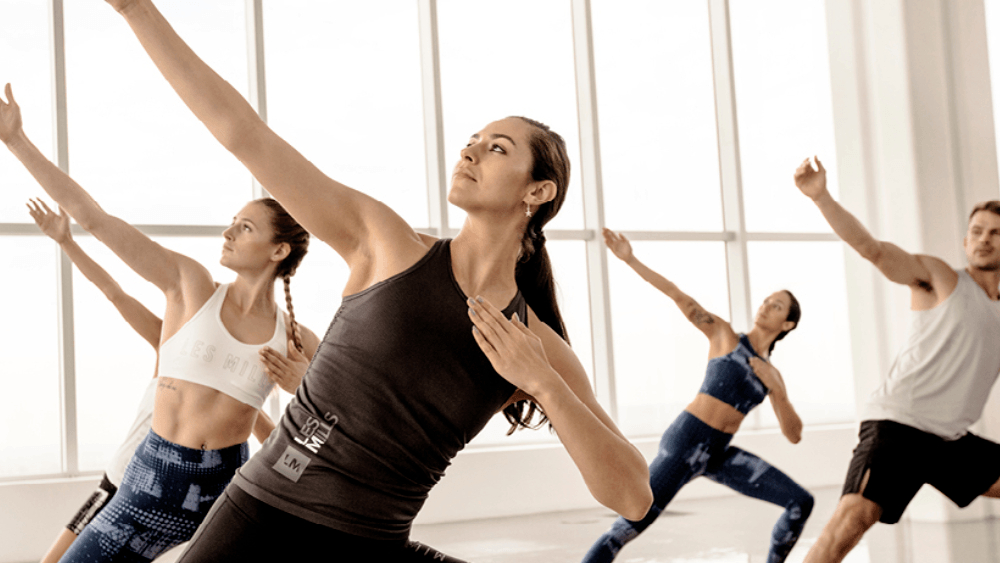
1. Improved Posture and Alignment
One of the most immediate results of practicing balance is better posture. When muscles work symmetrically, the spine aligns naturally, reducing strain on joints and ligaments. Good posture not only prevents discomfort but also creates an impression of confidence and poise. These physical adjustments form the foundation for long-term musculoskeletal health.
2. Enhanced Core Strength
Balance engages deep stabilizing muscles that traditional workouts often neglect. The abdominal wall, obliques, and lower back muscles must cooperate seamlessly to maintain steadiness. This consistent activation strengthens the core, leading to resilience against injuries and improved physical efficiency. Such strength represents one of the overlooked amazing balance benefits that continues to serve the body through countless daily movements.
3. Sharpened Mental Focus
Maintaining balance requires presence of mind. It is nearly impossible to dwell on distractions while focusing on stability. This concentration spills over into everyday life, sharpening attention span and improving decision-making. The integration of body and mind offers a natural cognitive edge, fostering clarity even during demanding tasks.
4. Greater Energy Flow
Balance exercises encourage circulation and regulate breathing patterns, which directly affect energy distribution. Muscles receive adequate oxygen, while the nervous system relaxes into a rhythm of calm yet alert awareness. By incorporating energy gain ideas such as mindful balance practices into a routine, individuals experience revitalization without dependence on external stimulants.
5. Injury Prevention
Falls and sprains are often the result of imbalance. Training stability builds proprioception, the body’s ability to sense spatial positioning. This heightened awareness minimizes missteps and strengthens joints against sudden impacts. Preventing injury not only safeguards mobility but also conserves energy for more meaningful pursuits.
6. Emotional Equilibrium
Balance is not limited to the physical dimension. The act of cultivating stability reflects inwardly, creating emotional composure. Stressful circumstances become easier to navigate when the mind is grounded in a state of calm. This inner steadiness contributes to long-term mental wellness, demonstrating how physical practice can shape psychological resilience.
7. Better Coordination Across Movements
Walking on uneven surfaces, climbing stairs, or carrying heavy bags all require coordination. Regular balance training refines these everyday skills. With time, movements become smoother, less strained, and more efficient. The body learns to move gracefully, conserving energy while minimizing unnecessary exertion.
8. Boosted Metabolism and Circulation
Stability exercises demand engagement from multiple muscle groups simultaneously. This activation increases caloric burn and promotes metabolic efficiency. Improved circulation nourishes tissues, enhances oxygen delivery, and accelerates cellular repair. In essence, balance becomes a natural method for invigorating the body from within, aligning with health boost tips that are both practical and effective.
9. A Gateway to Holistic Wellness
Balance training can serve as an entry point into broader lifestyle transformation. Many people who begin with physical stability practices gradually adopt mindful eating, restorative rest, and intentional breathing. This ripple effect creates a hidden wellness guide within daily routines, where small changes in balance extend into larger patterns of well-being.
10. Longevity and Quality of Life
As people age, the risk of falls becomes a pressing concern. Balance exercises strengthen the foundation that supports mobility throughout life. Maintaining steadiness in later years directly influences independence, vitality, and overall quality of life. Few interventions provide such a profound impact on both physical safety and emotional confidence.
Integrating Balance into Everyday Living
Balance does not require complicated tools or specialized spaces. Simple practices such as standing on one leg while brushing teeth, walking barefoot on natural surfaces, or incorporating yoga poses can steadily enhance stability. When combined with health boost tips like proper hydration, nutrient-dense meals, and restorative sleep, these habits create sustainable well-being.
Exploring energy gain ideas through balance is also powerful. Short sessions of tai chi, slow squats, or mindful breathing paired with stability postures deliver refreshing bursts of energy throughout the day. The beauty of balance is its accessibility; even modest efforts yield cumulative rewards.
Balance is far more than an athletic skill. It is a transformative practice that nurtures physical, mental, and emotional well-being. From injury prevention to enhanced focus, the spectrum of amazing balance benefits is vast and impactful. By embracing small, intentional steps, individuals can uncover a hidden wellness guide within their own routines, discovering resilience and vitality in unexpected ways. When balance becomes a lifestyle, the body and mind unite, opening pathways to enduring strength, serenity, and energy.


More Stories
Movement Control: Steering the Dance of Progress
Revitalize Harmony: The Art of Mastering Body Balance
Harmony in Motion: Mastering the Art of Body Balance