
Cultivating health is not a fleeting endeavor; it is a continuous journey that requires intentional practices, consistency, and adaptability. Achieving lifelong wellness plan goals depends on the integration of daily behaviors that harmonize physical, mental, and emotional well-being. By embedding structured routines and mindful practices into everyday life, individuals can foster resilience, vitality, and a profound sense of equilibrium that sustains health across decades.
The Foundation of Habit Formation
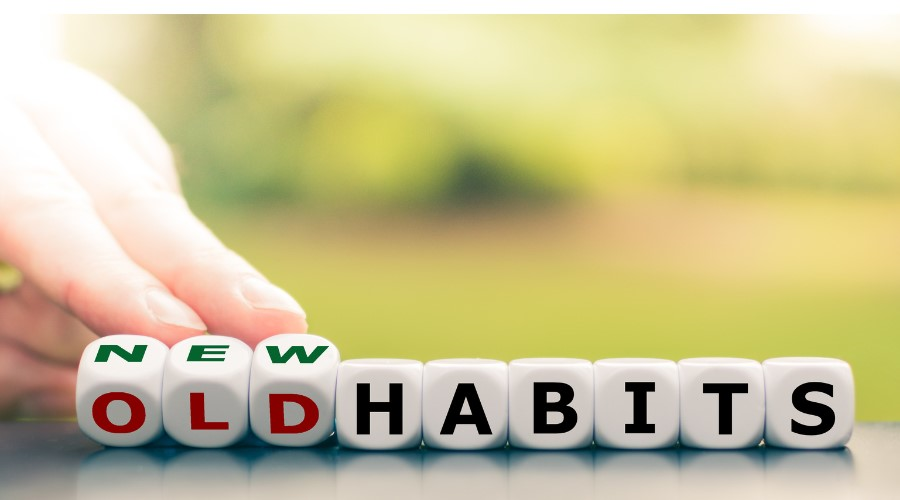
The cornerstone of lasting wellness lies in intentional habit formation. Small, incremental changes accumulate to produce meaningful transformation over time. Establishing a healthy habits guide provides a roadmap for integrating behaviors that support nutrition, movement, mental clarity, and emotional balance. By prioritizing consistency over intensity, individuals reinforce neural pathways associated with positive behaviors, making healthy choices more intuitive and enduring.
Structuring a Balanced Daily Living Approach
A balanced daily living framework emphasizes harmony among work, rest, activity, and nutrition. Structured routines ensure that essential needs are consistently met, reducing stress and enhancing productivity. Morning rituals—such as mindful breathing, gentle stretching, or nutrient-rich breakfasts—prime the body for energy and focus. Throughout the day, scheduled breaks, movement intervals, and hydration practices maintain vitality. Evening routines that prioritize reflection, relaxation, and restorative sleep close the cycle, creating a rhythm that nurtures both mind and body.
Nutrition as a Pillar of Health
Dietary choices are pivotal in sustaining long-term wellness. Whole foods, nutrient-dense meals, and mindful eating practices reinforce sustainable health tips by optimizing energy, stabilizing metabolism, and supporting immune function. Balanced macronutrient intake, regular meal timing, and hydration foster both physiological resilience and mental clarity. Incorporating seasonal fruits, vegetables, lean proteins, and healthy fats aligns with the body’s natural rhythms, while minimizing processed foods reduces inflammation and metabolic stress. These strategies form the foundation of a lifelong wellness plan that supports sustained vitality.
Physical Activity for Mind and Body
Movement is a critical component of balanced daily living. Regular physical activity improves cardiovascular health, strengthens muscles, and enhances flexibility. Mind-body exercises such as yoga, Pilates, or tai chi amplify mental clarity while promoting postural stability and proprioception. Even brief intervals of aerobic exercise, walking, or resistance training elevate mood, reduce stress, and enhance cognitive function. Incorporating movement into daily routines ensures that energy is efficiently utilized and that the body maintains optimal functional capacity throughout life.
Mental Clarity and Emotional Resilience
Cognitive and emotional well-being are integral to sustainable health. Mindfulness practices, meditation, journaling, and stress regulation techniques cultivate self-awareness and emotional intelligence. These approaches encourage proactive coping strategies, reduce impulsive behaviors, and enhance decision-making. Following a healthy habits guide that integrates mental and emotional practices reinforces a lifelong wellness plan, allowing individuals to navigate challenges with poise while sustaining overall balance.
Sleep and Recovery
Restorative sleep is foundational to sustainable health tips and long-term wellness. Establishing consistent sleep schedules, creating a serene sleeping environment, and limiting stimulating activities before bed optimize the body’s regenerative processes. Deep, uninterrupted sleep supports cognitive consolidation, hormone regulation, and cellular repair. When paired with a balanced daily living framework, sleep ensures that both body and mind recover effectively, enabling peak performance and resilience in daily life.
Social Connections and Support
Humans are inherently social beings, and meaningful connections enhance lifelong wellness plan objectives. Positive relationships, community engagement, and supportive networks reduce stress, reinforce accountability, and promote emotional fulfillment. Social interactions provide both practical and emotional support, creating a safety net that sustains healthy routines and encourages adherence to wellness practices. Cultivating relationships as part of a healthy habits guide ensures that emotional and social health are integral to overall harmony.
Practical Implementation Strategies
Implementing sustainable health tips requires deliberate planning and incremental progression. Setting achievable goals, tracking progress, and adjusting routines based on personal needs reinforce consistency. Starting with small changes, such as a daily walk, mindful eating practice, or brief meditation session, establishes a foundation that can expand over time. Integrating these practices into a balanced daily living approach ensures that habits are maintainable, enjoyable, and aligned with long-term health objectives.
True health harmony arises from the consistent integration of physical, mental, and emotional practices into daily life. Following a healthy habits guide, implementing a lifelong wellness plan, and maintaining balanced daily living cultivate resilience, vitality, and enduring well-being. By embracing sustainable health tips and committing to mindful, intentional routines, individuals create a dynamic system of wellness that supports optimal functioning across a lifetime, transforming daily choices into a legacy of holistic health.


More Stories
Unlock Your Best Self: The Art of Vibrant Living
Mindful Health: Nourishing Your Body, Mind, and Soul for a Balanced Life
The Art of Balancing Wellness: Harmonizing Mind, Body, and Soul