
Balance is one of the most overlooked yet vital elements of overall health. A well-designed daily balance routine does more than improve posture. It enhances coordination, fortifies the core, and fuels long-term mobility. What many fail to realize is that balance can be trained just like strength or endurance, and the dividends are far-reaching.
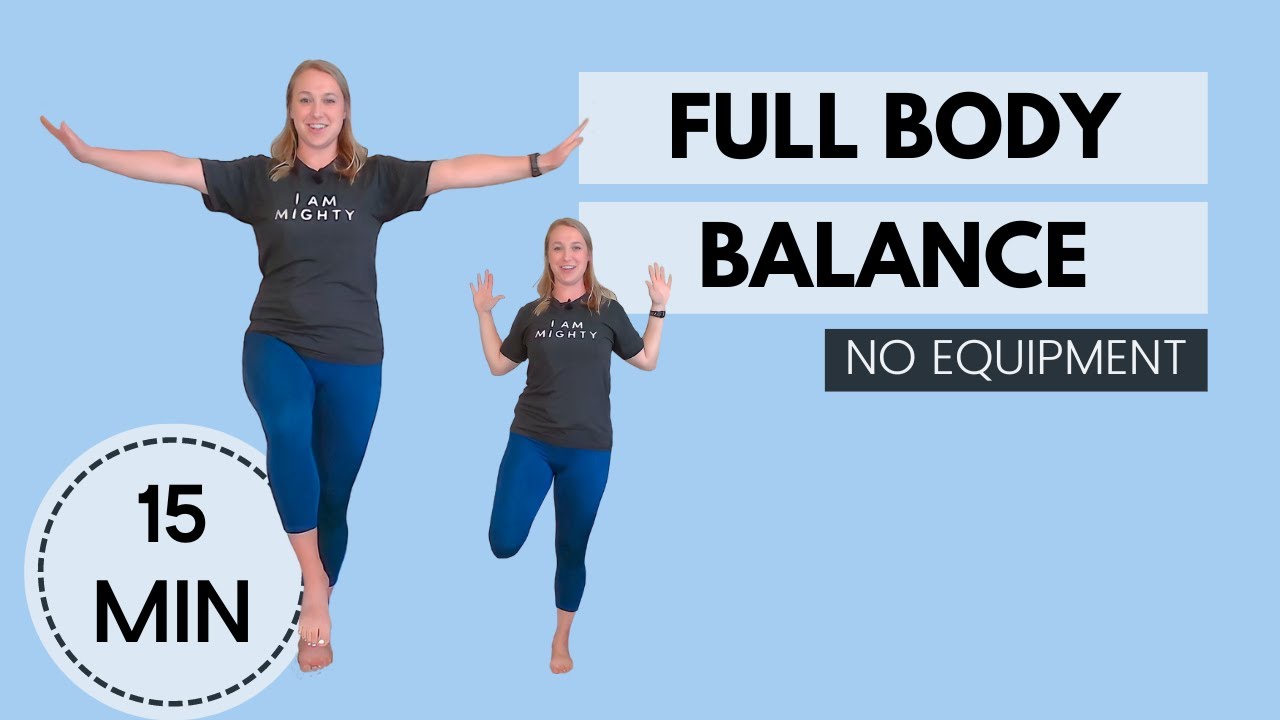
The Value of Balance in Everyday Life
Balance training is not reserved for athletes or dancers. It is a universal skill that benefits every individual, regardless of age or fitness level. From carrying groceries to climbing stairs, balance is woven into daily life. A lack of stability often leads to avoidable falls, chronic joint issues, and muscular imbalances. By establishing practices that integrate equilibrium into the rhythm of each day, you create a sustainable framework for resilience.
Building the Foundation
Every effective daily balance routine begins with awareness of body alignment. Simple exercises such as standing tall, engaging the abdominal muscles, and aligning the spine prepare the body for more dynamic movements. Even holding a single-leg stance for thirty seconds can activate stabilizers that often remain dormant in sedentary lifestyles.
For those seeking greater impact, begin each session with breathing exercises. Controlled inhalation and exhalation anchor the nervous system and sharpen focus. This mindful approach sets the stage for improved balance performance.
Morning Rituals That Enhance Balance
Mornings present the perfect opportunity to integrate stabilizing exercises. Heel-to-toe walking across the room trains coordination and spatial awareness. Tree pose, a staple of yoga, develops focus while activating core muscles. Adding gentle squats with an upright posture encourages strength through symmetry.
Combining these movements with actually works tips such as holding each pose for progressive durations or using a mirror to monitor form ensures steady improvement without unnecessary strain. Small adjustments often make the largest difference.
Midday Integration
A balanced lifestyle is not confined to a single training session. Integrating balance work into midday routines keeps energy levels high and prevents stiffness from prolonged sitting. Standing on one foot while waiting for the kettle to boil or shifting weight evenly while typing reinforces unconscious stability habits.
This approach embodies the essence of a healthy habit guide. It transforms otherwise idle moments into opportunities for physical refinement. Consistency, rather than intensity, yields the most profound benefits over time.
Evening Balance Enhancement
Evenings provide a calming environment to deepen practice. Controlled lunges, gentle torso twists, and slow side steps on a stable surface create an effective winding-down sequence. Advanced individuals may incorporate stability tools like a cushion or balance board to amplify difficulty.
Pairing these exercises with restorative stretching not only improves balance but also enhances recovery. Here, the discipline shifts from performance to relaxation, making balance work a soothing prelude to restful sleep.
Strengthening the Core Connection
Core muscles serve as the epicenter of every balancing effort. Without core stability, progress remains limited. Incorporating planks, bird-dog variations, and rotational sit-ups into a daily balance routine builds durability and prevents injury. By strengthening the midsection, you support the spine, pelvis, and overall equilibrium.
These targeted movements align seamlessly with actually works tips, reminding practitioners to maintain proper form rather than rushing through repetitions. Precision always trumps speed.
The Role of Mindfulness
True balance is not only physical. It is also mental. Mindfulness practices such as focused breathing, visualization, or meditative walking enhance neuromuscular coordination. Engaging the mind in tandem with the body reinforces the integrity of every stabilizing movement. This mind-body connection elevates balance from a set of exercises into a cornerstone of holistic health.
Practical Equipment for Support
While bodyweight is sufficient for remarkable progress, equipment can accelerate results. A stability ball, resistance band, or wobble board challenges the body to adapt to new stimuli. Even household items like a cushion or folded towel can introduce unpredictability, forcing the body to respond with precision.
Incorporating these tools strategically reflects the wisdom of a healthy habit guide, where gradual progression and adaptability ensure safety and consistency.
Long-Term Integration into Lifestyle
Balance training should not feel like an isolated obligation. Instead, it should weave naturally into daily existence. Walking on uneven ground during outdoor strolls, carrying items evenly across both hands, or practicing balance while brushing teeth are subtle ways to cultivate stability without restructuring the day.
These wellness lifestyle ideas emphasize balance as a habit rather than a task. By embedding balance into normal activities, you sustain benefits effortlessly over the long term.
A daily balance routine offers more than improved posture or stronger ankles. It delivers confidence, vitality, and resilience that permeate every corner of life. Supported by actually works tips, strengthened through a healthy habit guide, and enriched by wellness lifestyle ideas, balance training becomes an indispensable practice. By embracing it, you unlock the ability to move gracefully, protect your body from harm, and sustain energy for years to come.


More Stories
Movement Control: Steering the Dance of Progress
Revitalize Harmony: The Art of Mastering Body Balance
Harmony in Motion: Mastering the Art of Body Balance