
When it comes to sustainable fat loss, the modern fitness industry often complicates simple physiological principles. While complex workout programs and extreme calorie restrictions dominate social media, evidence-based exercise physiology points to a much simpler metric: increasing total energy expenditure through functional, sustainable movement.
For years, low-impact steady-state cardio (LISS)—specifically walking—has been praised by health professionals as the most accessible form of exercise for fat loss. Walking keeps cortisol levels low, places minimal stress on joints, and can be maintained consistently without burning out your nervous system. However, standard walking has a ceiling. As your body adapts to walking at a set pace and distance, your metabolic expenditure stabilizes, requiring you to walk longer distances to achieve the same caloric deficit.
Elevating Energy Expenditure Without Extra Time
To overcome this adaptation without spending two hours a day on a treadmill, you must increase your internal workload. The math behind energy expenditure is straightforward: work equals force multiplied by distance. By increasing the force required to move your body through space, you instantly elevate your caloric burn.
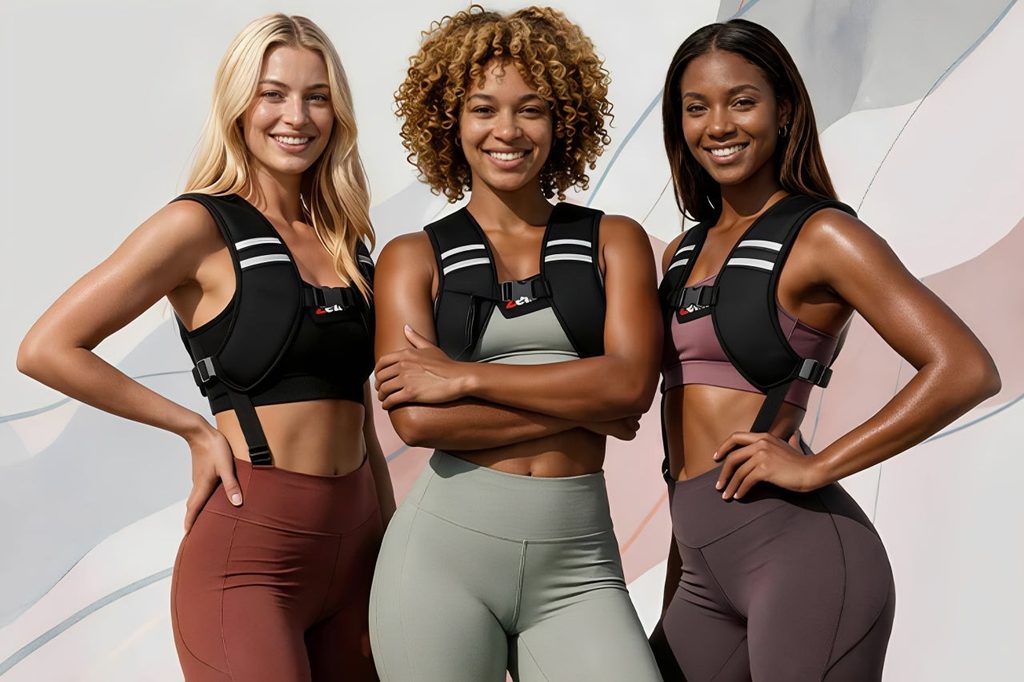
For individuals whose primary goal is shedding excess body fat efficiently, incorporating the best weighted vest for weight loss into their daily routine provides an immediate metabolic boost. Research indicates that carrying just 10% to 15% of your body weight in additional resistance can increase your caloric expenditure by 12% to 20% during standard walking, all without drastically increasing perceived exertion or joint strain.
Comparative Analysis: Standard vs. Weighted Low-Impact Cardio
| Training Metric | Standard Daily Walking | Weighted Walking Session |
| Caloric Burn Rate | Baseline (approx. 200-250 kcal/hr) | Elevated (approx. 280-350+ kcal/hr) |
| Primary Muscle Engagement | Glutes, Calves, Hamstrings | Glutes, Calves, Core, Upper Back, Postural Chain |
| Joint Loading Impact | Low | Low-to-Moderate (Ergonomically Distributed) |
| Bone Density Stimulation | Minimal | High (Triggers Osteoblast Activity) |
| Metabolic Afterburn (EPOC) | Negligible | Moderate (Sustained post-workout energy burn) |
Physiological Benefits Beyond the Scale
Adding gravitational load to cardio exercises does more than just burn calories in the moment. It alters your body composition over time by preserving lean muscle mass while targeting body fat. When you diet without resistance training, a significant portion of the weight lost comes from muscle tissue.
Wearing added resistance signals to your body that your muscles are necessary to support the extra weight, prompting your metabolic system to prioritize fat oxidation instead.
Furthermore, weighted walking significantly enhances cardiovascular health. Your heart must pump blood faster to oxygenate muscles carrying extra weight, strengthening the myocardium and boosting your overall VO2 max. If you are looking to maximize every minute of your daily steps, relying on a reliable zelus weighted vest transforms a casual walk into a powerful fat-burning workout.


More Stories
Movement Control: Steering the Dance of Progress
Revitalize Harmony: The Art of Mastering Body Balance
Harmony in Motion: Mastering the Art of Body Balance