
In today’s dynamic wellness landscape, pilates fitness flow has emerged as a revolutionary approach that fuses the precision of Pilates with the fluid energy of fitness flow. This perfect combination tips guide explores how blending these two practices can elevate your workouts, enhance body awareness, and cultivate holistic fitness for all levels.
Pilates emphasizes controlled movements, core activation, and postural alignment, while fitness flow introduces continuous motion, cardio elements, and dynamic transitions. Together, they form a balanced workout ideas framework that targets strength, flexibility, and mental focus. This synergy allows practitioners to move with intention, maximize efficiency, and achieve lasting results that extend beyond the studio.
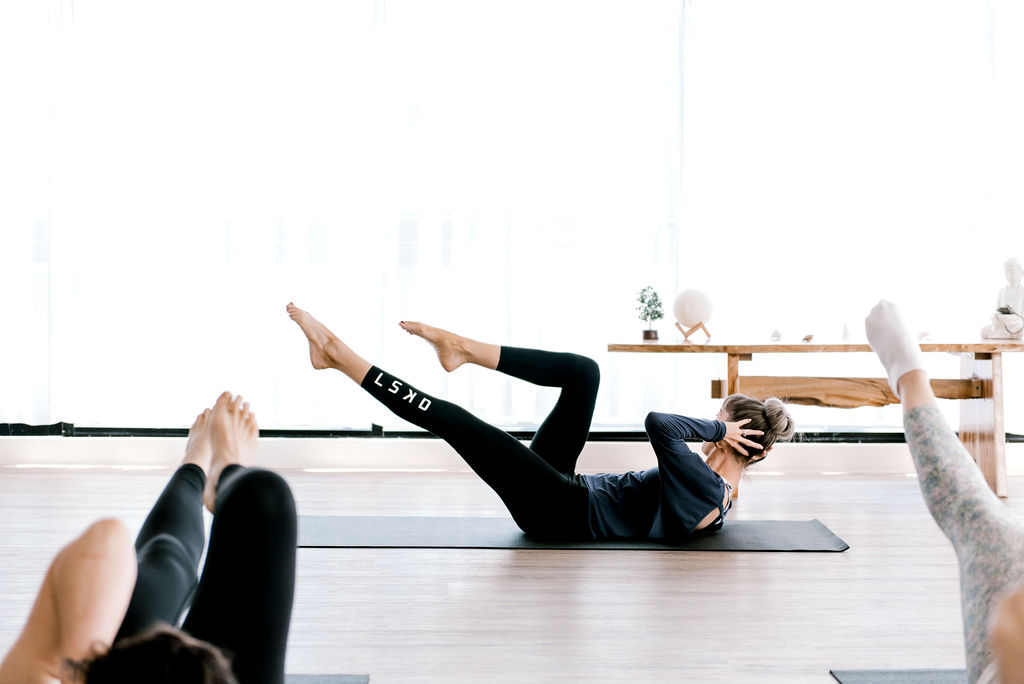
The Synergy Between Pilates and Fitness Flow
- Enhanced Core Strength
A foundational principle of Pilates is building a strong, stable core. Integrating fitness flow sequences amplifies this by challenging the core in dynamic contexts, improving endurance, stability, and functional movement. Following a core strength guide, individuals can experience improved posture, reduced injury risk, and a more powerful connection between upper and lower body movements. - Fluidity and Flexibility
While Pilates emphasizes precise control, fitness flow encourages seamless transitions between exercises. This combination promotes muscle elasticity, joint mobility, and overall body coordination, creating a routine that is both challenging and graceful. - Mind-Body Connection
Pilates cultivates mindful awareness of each movement, aligning breath and posture. Fitness flow adds an element of rhythm and continuous engagement, enhancing mental focus and promoting a meditative quality throughout the workout. - Versatility for All Levels
Whether you are a beginner or an advanced practitioner, combining Pilates and fitness flow allows customization. Beginners can focus on foundational exercises and slow flows, while experienced individuals can integrate complex sequences for a more intense, full-body challenge.
Core Elements of a Pilates Fitness Flow Routine
Pilates fitness flow routines can be structured to address strength, flexibility, and endurance:
- Mat-Based Pilates Warm-Up: Start with controlled breathing, pelvic tilts, and spinal articulations to activate the core and improve mobility.
- Dynamic Flow Sequences: Integrate Plank variations, leg lifts, and Pilates-inspired push-throughs in continuous motion for strength and fluidity.
- Standing Balance Exercises: Combine fitness flow lunges, squats, and twists with Pilates posture control to enhance stability and coordination.
- Stretch and Release: End with targeted Pilates stretches and flowing transitions to promote flexibility, relieve tension, and restore calm.
By adhering to perfect combination tips, these sequences maximize the benefits of both practices, creating a cohesive, invigorating, and mindful workout.
Key Benefits of Combining Pilates with Fitness Flow
- Strength and Stability
The controlled movements of Pilates target deep stabilizing muscles, while fitness flow challenges those muscles through dynamic, functional sequences. The result is a powerful core, enhanced joint support, and improved overall strength. - Improved Flexibility
Pilates stretches elongate muscles and improve alignment, while fitness flow maintains movement continuity, increasing overall flexibility and range of motion. - Cardiovascular Engagement
Fitness flow elements, such as dynamic transitions and continuous movement, elevate heart rate and improve endurance without compromising the integrity of Pilates postures. - Enhanced Mindfulness
Conscious breath, posture awareness, and deliberate transitions foster a mindful practice, helping reduce stress and improve mental clarity. - Functional Fitness
The integration of Pilates and fitness flow prepares the body for real-life movements by promoting strength, coordination, balance, and mobility simultaneously.
Tips for Maximizing Your Pilates Fitness Flow Practice
- Prioritize Core Engagement: Keep the core activated throughout sequences to maintain stability and prevent strain.
- Synchronize Breath and Movement: Controlled inhales and exhales enhance muscular efficiency and focus.
- Progress Gradually: Begin with foundational Pilates exercises and simple flow sequences before adding complex transitions.
- Incorporate Rest: Alternate high-intensity sequences with restorative stretches to avoid fatigue and encourage recovery.
- Focus on Alignment: Maintain proper form in every exercise to maximize benefits and prevent injuries.
Sample Routine for a Balanced Workout
- Warm-Up (5–10 minutes): Pelvic tilts, cat-cow stretches, and controlled breathing to engage core muscles.
- Core and Flow Sequence (20–25 minutes): Plank variations, Pilates leg lifts, and flowing lunges for full-body strength.
- Balance and Flexibility (10 minutes): Standing twists, Pilates roll-ups, and hamstring stretches for mobility and control.
- Cool Down (5 minutes): Flowing Pilates stretches and deep breathing to restore calm and flexibility.
This structured approach aligns with balanced workout ideas, ensuring that each session addresses core strength, functional movement, and mental focus.
Incorporating Pilates Fitness Flow into Daily Life
One of the greatest advantages of combining Pilates and fitness flow is its adaptability. Short, 20–30 minute sessions can energize your morning, refresh your midday, or help unwind in the evening. Even a few targeted sequences during the day can improve posture, core stability, and flexibility, providing tangible benefits that carry over into daily activities.


More Stories
Unlock Your Body’s Hidden Potential: The Ultimate Guide to Effortless Mobility
Discover Your Perfect Exercise Rhythm: How to Move Your Body in Sync with Your Life
The Art of Moving: Mastering the Dance Between Motion and Stillness