
A good night’s sleep is often undervalued in the pursuit of productivity, yet it remains the foundation of physical vitality and mental clarity. The body repairs, the mind resets, and the spirit renews itself while resting. By weaving the right habits into everyday life, achieving deeper, more restorative sleep becomes not only possible but natural. Here are transformative sleep improvement tips that combine science with simple lifestyle changes.
Understanding the Power of Sleep
Sleep is not passive; it is an active biological process. During different stages of rest, the body consolidates memory, balances hormones, and repairs tissues. Skipping quality rest impacts immunity, mood, and even weight regulation. That’s why embracing a better rest guide is crucial for anyone seeking enhanced performance and well-being.
Create a Consistent Sleep Schedule
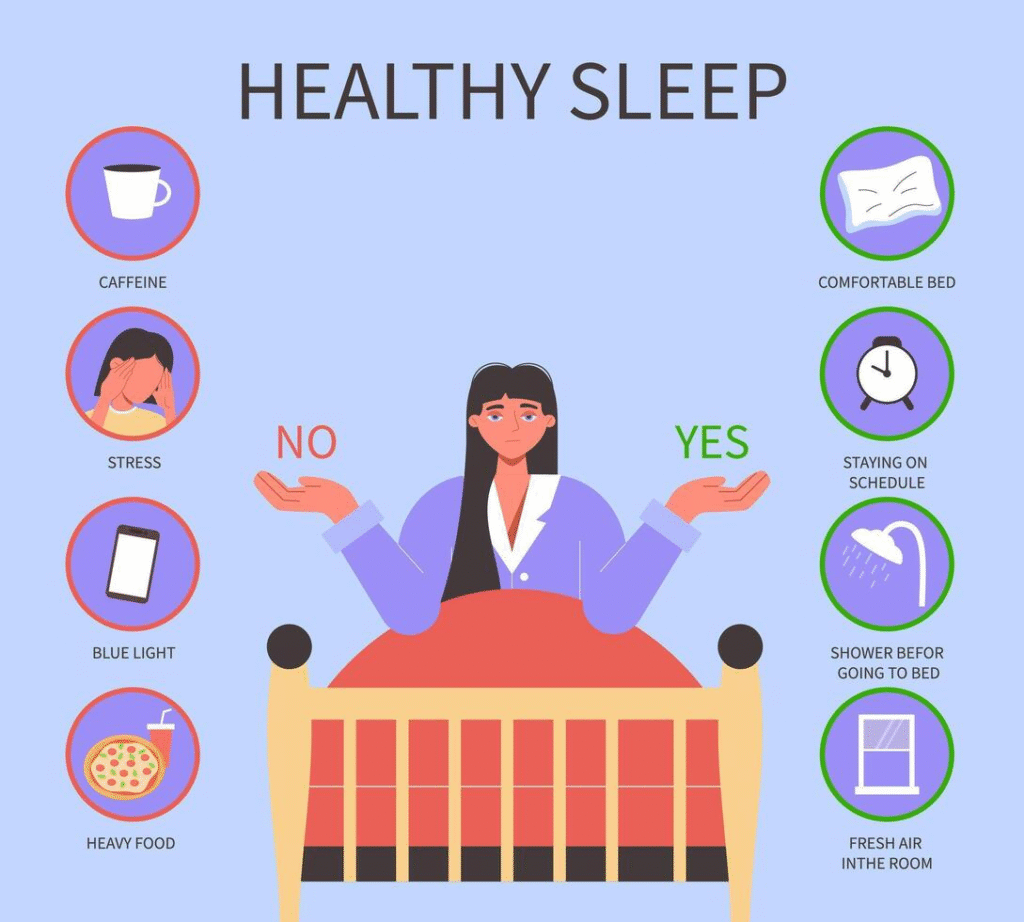
The body thrives on rhythm. Going to bed and waking up at the same time daily trains the internal clock, also known as the circadian rhythm. This consistency reduces insomnia and helps you feel alert in the morning without relying on stimulants. Among the most effective sleep improvement tips, scheduling regular sleep times is both simple and powerful.
Optimize the Sleep Environment
Your bedroom should be a sanctuary. Dim lighting, cool temperatures, and minimal noise all contribute to quality rest. Investing in a supportive mattress and breathable bedding makes a noticeable difference. Experts emphasize that these changes form the backbone of a healthy sleep plan, creating a setting where the body naturally drifts into slumber.
Limit Blue Light Exposure
Phones, laptops, and televisions emit blue light, which tricks the brain into believing it’s still daytime. Exposure in the evening delays the release of melatonin, the hormone that signals the body to rest. A practical approach is to reduce screen use an hour before bedtime or wear blue-light-blocking glasses. These strategies are part of health hive advice designed for modern lifestyles.
Embrace Relaxation Rituals
Transitioning from the day’s chaos to restful sleep requires calm. Warm showers, gentle stretches, or reading a physical book can ease the mind. For some, herbal teas like chamomile or lavender work wonders. Creating a nightly ritual aligns with a better rest guide, signaling to the body that it is time to slow down.
Be Mindful of Diet and Drinks
What you consume directly influences sleep quality. Heavy meals before bed strain digestion, while caffeine and alcohol disrupt the natural sleep cycle. Instead, light snacks such as almonds, bananas, or warm milk encourage relaxation. These mindful adjustments are core to a healthy sleep plan that supports lasting rest.
Incorporate Physical Activity
Movement during the day promotes deeper sleep at night. Aerobic exercises, yoga, or even brisk walking enhance circulation, regulate hormones, and reduce anxiety. However, timing matters—avoid intense workouts right before bedtime. Incorporating activity into daily life reflects practical health hive advice that enhances both body and mind.
Manage Stress and Overthinking
Racing thoughts often steal hours of potential rest. Journaling, meditation, or practicing deep breathing can help unload mental clutter. Even five minutes of mindfulness before bed can create a noticeable shift in calmness. Stress management is an indispensable part of sleep improvement tips, ensuring the mind finds peace before sleep.
Control Napping Habits
While naps can be refreshing, long or late naps interfere with nighttime sleep. Short “power naps” of 20–30 minutes are beneficial, especially during midafternoon slumps. Structuring naps wisely is a strategy included in a better rest guide, balancing daytime energy with nighttime restoration.
Seek Natural Light Exposure
Exposure to natural light during the day strengthens circadian rhythms. Morning sunlight in particular helps regulate melatonin production, improving sleep quality at night. Stepping outdoors for even 15 minutes daily complements any healthy sleep plan by aligning the body’s natural cycles with the environment.
Avoid Overthinking Sleep
Ironically, worrying about sleep can keep you awake. Instead of staring at the clock, practice gentle techniques like progressive muscle relaxation or focus on steady breathing. Letting go of pressure is subtle but effective, echoing health hive advice rooted in mindfulness and patience.
Sleep is not a luxury—it’s a necessity for vitality, creativity, and resilience. By applying thoughtful sleep improvement tips, embracing a better rest guide, and following time-tested health hive advice, anyone can cultivate a healthy sleep plan tailored to their needs. With consistency and care, restorative nights will lead to energized, brighter days.


More Stories
Revitalize Your Wellness: The Buzzworthy Secrets of Health Hive
Revitalize Your Life: 10 Simple Healthy Habits to Transform Daily Routine
The Future of Wellness: 10 Trends Shaping a Healthier You